
Pentagon vs Anthropic: US Appeals Court Upholds AI Defense Blacklist
US federal appeals court upholds Pentagon contract ban on Anthropic over AI safety guardrail disputes. What the landmark ruling means for defense AI.
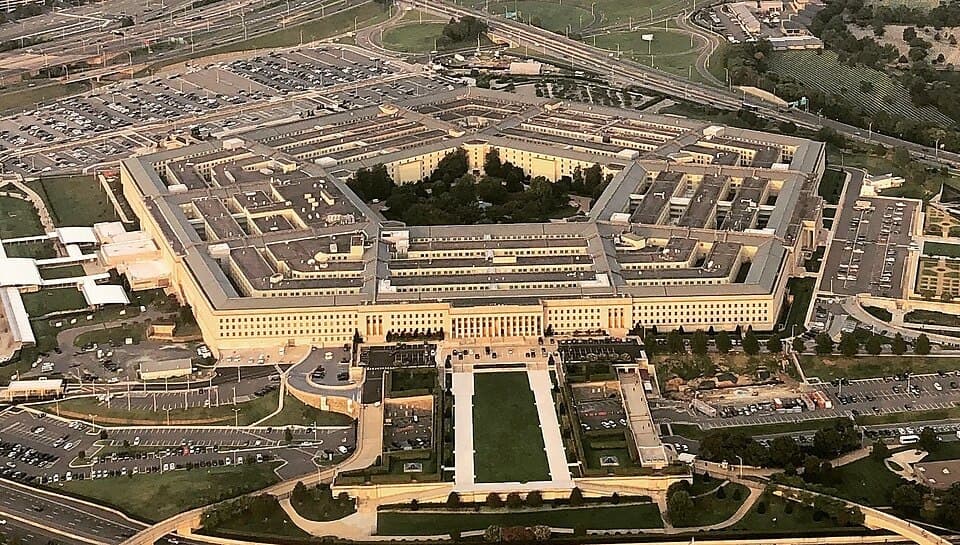
A US federal appeals court has upheld the Pentagon's decision to blacklist Anthropic from military contracts, in a legal dispute centered on how far AI safety guardrails should extend when a company's technology is used by the military.
What the Court Decided
On September 25, the US Court of Appeals for the District of Columbia Circuit ruled 2-1 against Anthropic, finding that the Department of Defense had lawfully designated the company a national security supply chain risk. Judge Gregory Katsas, writing for the majority, said the Pentagon had adequately shown that keeping Anthropic's Claude models embedded in its information systems posed a risk covered by statute. Judge Neomi Rao joined the majority, while Judge Karen LeCraft Henderson dissented.
The ruling rejected Anthropic's argument that the ban was arbitrary, unconstitutional, and driven by retaliation over the company's views on AI safety and ethics.
How the Dispute Started
The conflict traces back to a roughly $200 million contract dispute over how the Pentagon could deploy Claude on classified systems. According to reporting, the Department of Defense wanted Anthropic to make its models available for any lawful military use without restriction. Anthropic, in turn, sought written guarantees that Claude would not be deployed in fully autonomous weapons systems or used for mass surveillance of the domestic population.
When those talks broke down, Defense Secretary Pete Hegseth designated Anthropic a "supply chain risk" in March, a label historically used for foreign adversaries. That designation effectively barred every Pentagon contractor and supplier from using Anthropic's technology.
Two Separate Legal Tracks
Because the Pentagon based its blacklisting on two different legal designations, the dispute has played out in two separate courts with two different outcomes:
- San Francisco (District Court): A federal judge, Rita Lin, ruled last month that a parallel designation under a different law was unlawful, finding that the administration had retaliated against Anthropic for its safety stance in violation of the First Amendment. That ruling also blocked a broader government-wide ban on Anthropic.
- Washington, D.C. (Court of Appeals): This week's 2-1 ruling upheld the separate national security supply chain risk designation, which is the one that keeps Anthropic's military blacklisting in force for now.
In other words, Anthropic has won on one legal track and lost on another, and the overall picture remains legally unsettled.
Arguments on Both Sides
The Pentagon's position: Government lawyers said the dispute stemmed from Anthropic's refusal to accept the contract terms it was offered, not retaliation over its opinions. The court's majority sided with Defense Secretary Hegseth's argument that safety restrictions on the model could compromise military operations, warning of the "sobering prospect of overly constrained AI models shutting down unexpectedly" during important operations.
Anthropic's position: The company has said in a statement that it "respectfully disagrees" with the decision but remains confident in its position, and is considering further options, including a request for review by the full appeals court. Anthropic has argued that the designation has cost it billions of dollars in lost business and reputational damage, especially ahead of an anticipated IPO.
Why It Matters
This case sits at the center of a bigger question: who gets the final say over how the US military uses commercial AI models, the company that built them or the government that wants to deploy them without restriction. Claude's models have reportedly been used in past military and intelligence operations, which raises the stakes for both sides.
The outcome could shape how other AI companies negotiate safety terms with the Pentagon and other government agencies going forward, and whether "supply chain risk" designations become a broader tool the government can use against companies that push back on unrestricted use of their technology.
What Happens Next
Anthropic has said it is weighing its legal options, including asking the full D.C. Circuit to rehear the case. Given that a separate court already ruled the parallel designation unlawful, the overall dispute is likely to continue for some time before it is fully resolved.
Frequently Asked Questions
What is Anthropic blacklisted from? Anthropic and its Claude models are barred from Pentagon contracts, and other Defense Department contractors and suppliers are barred from using Anthropic's technology.
Why did the Pentagon blacklist Anthropic? The dispute stems from a contract disagreement over how Claude could be used by the military. Anthropic wanted guarantees against autonomous weapons use and domestic mass surveillance; the Pentagon wanted unrestricted use.
Did Anthropic win or lose this case? Anthropic lost this specific appeal in the D.C. Circuit, but a separate court in San Francisco previously ruled a related designation unlawful. The legal picture is mixed and still evolving.
Is this related to Claude's use in past operations? Reports have linked Claude to past military and intelligence use cases, which is part of why this case has drawn wide attention, though the court ruling itself centers on the legality of the blacklisting process, not any specific past operation.
Bottom Line
This ruling is a win for the Pentagon and the Trump administration in a broader fight over how much control AI companies can retain over how their models are used once they enter government and military hands. Anthropic has said it will keep contesting the decision, and with one court ruling against it and another ruling in its favor on a related issue, this dispute is far from over.
Sources: Reuters, CNBC, Military Times, The Spokesman-Review, Tech Startups. Information is accurate as of September 25, 2026 and may be updated as the legal process continues. Photo: US Department of Defense, via Wikimedia Commons (Public Domain)
Stay ahead of artificial intelligence & systems code.
One email a week with the biggest AI and dev news. No spam. Unsubscribe anytime.